
Our Projects
We work in marine ecosystems around the world — alongside local community conservation partners — to carry out collaborative research, training, and education.
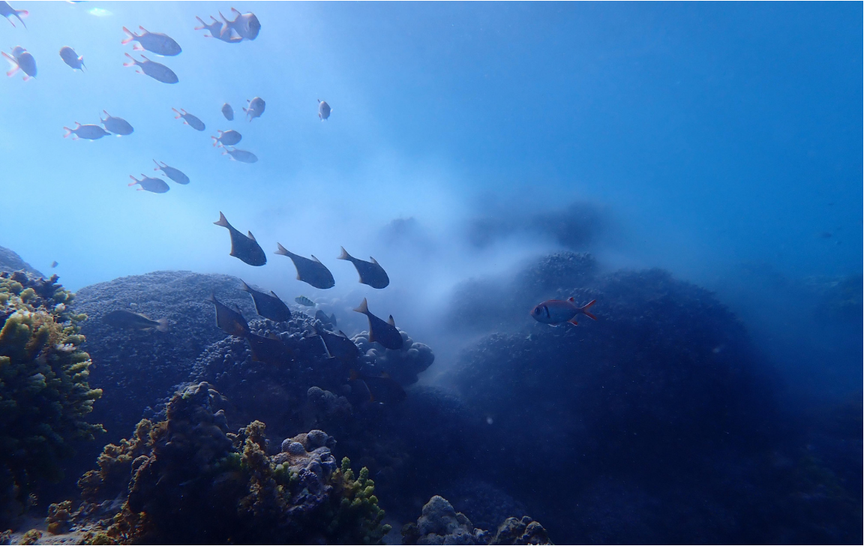
A Coral Spawning Calendar for Zanzibar
Establishing coral reproductive patterns in East Africa.
We are leading an effort to document coral spawning for a range of coral species for the first-time in Zanzibar. Reef-building corals generally reproduce only a handful of nights per year but is practically unknown in East Africa. This multi-year project includes collection of regional knowledge, gamete traps, time-lapse camera deployments, and long nighttime spawning monitoring dives. Since late 2024, we have logged hundreds of hours underwater to catch corals in the act and provide fundamental biological information critical to the conservation and restoration of coral reefs! This has led to the description of spawning timing and behaviour for 8-10 species, most of which had no observations in the region. Our next steps include continued adaptive monitoring to narrow time windows and compare across sites and years.
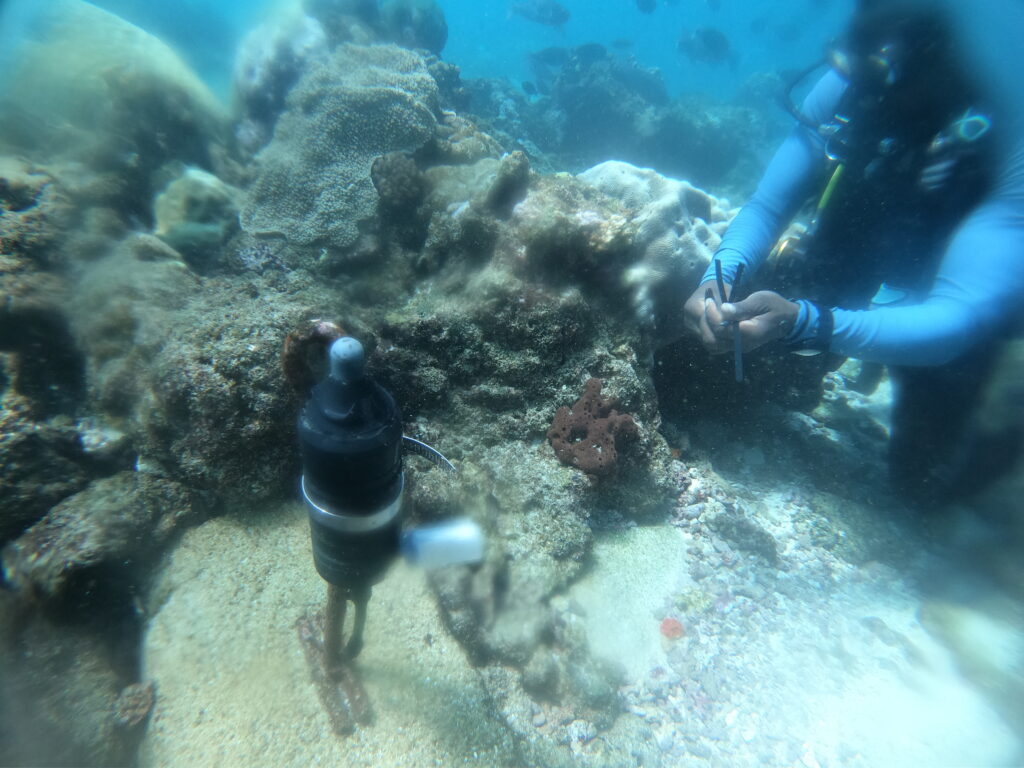
Sounds of a Changing Sea
Exploring the unheard acoustic diversity of Mozambique’s vulnerable coastal habitats.
This project characterizes spatiotemporal variation in soundscapes across coastal marine ecosystems in Bazaruto Archipelago, Mozambique (e.g., coral reefs, seagrass meadows, mangroves, sand banks, and open ocean), to explore acoustic patterns and to test relationships between the acoustic characteristics and biophysical parameters (e.g., temperature, tides, biodiversity). We first collected acoustic data for this project in 2020-2021. Our collaborator, BCSS, has continued to include passive acoustic monitoring as part of their African Ocean Observatory, and we continue to examine and interpret the data. From these datasets we are examining the patterns of fish and invertebrate sounds across multiple reef sites.
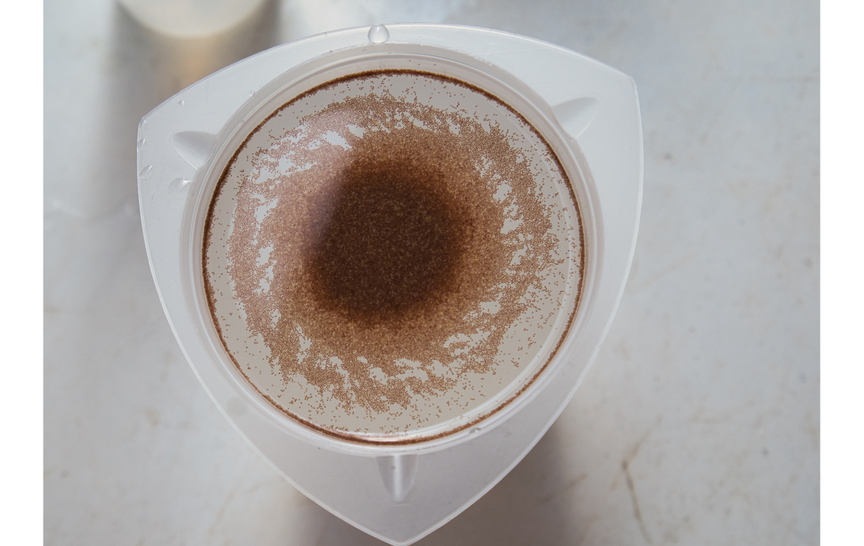
Caribbean Coral Incubator
Developing low-cost methods for coral larval rearing, settlement, and juvenile grow-out.
Coral restoration practitioners increasingly need to incorporate sexual reproduction techniques into their approach, however, many organizations lack the resources or capacity to do so. Our project in St. Croix from 2022-2024 sought to create and test a simple in-water system to incubate baby coral, beginning at the larval stage through to a juvenile size that can produce higher survival results when planted onto reefs. This effort was in collaboration with a local eco-resort and not-for-profit (Thriving Islands) with a key parallel objective to the research and development of training and building capacity in the community for coral restoration. We successfully collected and fertilized coral gametes, and reared them to settlement, using a low-infrastructure “pop-up” laboratory. While the originally funded project has concluded, we continue to partner with Thriving Islands to support their continuation of community training and coral larval propagation.
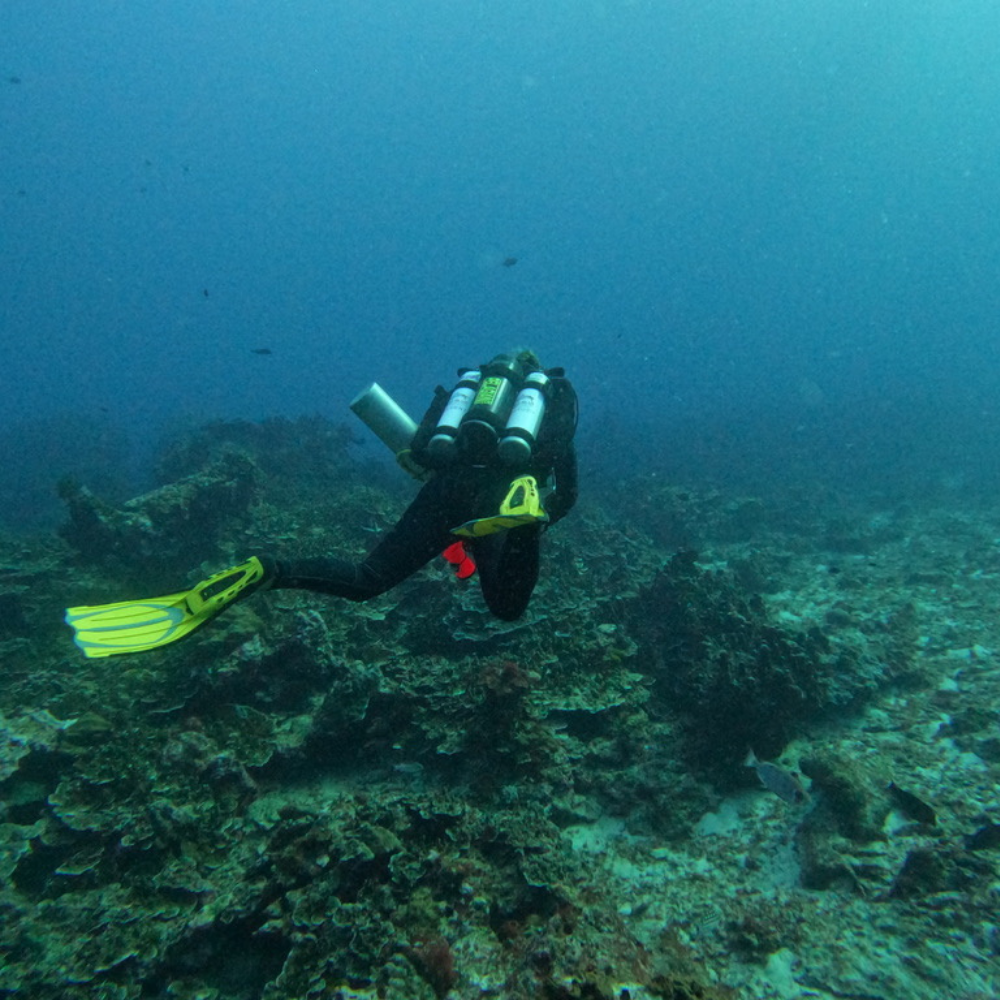
Interviews with Fish
Acoustic ecology to expand underwater biological sound libraries.
Biodiverse undersea habitats are far from silent worlds – most fish and crustaceans produce a repertoire of acoustic signals, yet the vast majority have not been characterized and confirmed to species. Moreover, much of the world (including the areas where SOS is working) is underrepresented in current acoustic libraries. This hinders our ability to draw ecologically meaningful information from Passive Acoustic Monitoring (PAM) or to apply advanced computing to analyze large soundscape datasets. In short, if we don’t know who makes the sounds then we can’t start to understand what it means! This informal ongoing project is SOS’s attempt to opportunistically contribute to fish (and invertebrate) sound libraries by using available recording tools (GoPros, Audiomoths) to capture fish sounds in previously unrecorded places. Slowly but surely we are adding fish sound descriptions to the scientific literature and databases!
Secrets of the Snapping Shrimp
Uncovering the patterns of the noisiest animals in the sea.
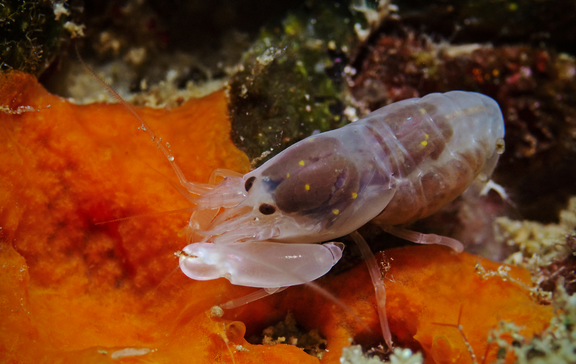
One of the most common and amazing sounds in the sea, from temperate to tropical regions, is the crackling produced by colonies of tiny shrimp using a specialized claw to create a cavitation bubble. They are called the snapping, or pistol, shrimp (Families Alpheidae and Synalpheidae). Despite their dominance of coastal soundscapes worldwide, we have little understanding of their basic biology, ecology, and acoustic behaviours. There are over 600 species (and counting) of this type of minuscule shrimp and only a handful have been studied at all! Little by little, we are digging into the mysteries of this often-heard but little-studied creature — examining patterns in snapping shrimp sound production in different regions and habitats, as well as contributing to experimental studies, we are learning more about when and why snapping shrimp snap as well as how we might use this information to better understand ecological change.
Spawning Coral & Capacity in Zanzibar
Research and implementation of sexual reproduction methods for coral restoration.
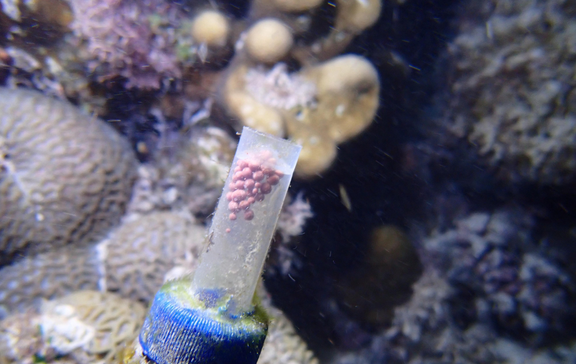
This project is the natural progression from research to application for our studies of coral reproduction in Zanzibar. Together with our local coral restoration partner marinecultures.org, we are establishing the first coral larval propagation program in Zanzibar, adapting the approaches we developed in St. Croix to the local context and reef in Jambiani, Unguja. Here we are creating a basic laboratory and marine conservation knowledge center in the village to carry out and share this work. Our propagation techniques are simple, mostly in situ, and transferable by design. Not only that, we are training early career Tanzanian marine biologists to apply this approach and to, ultimately, be trainers of the method themselves. Beyond the coral spawning and larval propagation project, this effort is building capacity for environmental monitoring relevant to coastal conservation in general, including water quality parameters and sedimentation.
Coral Reproduction in Pemba Island
Coral spawning, settlement, and recruitment variation across a Marine Protected Area.
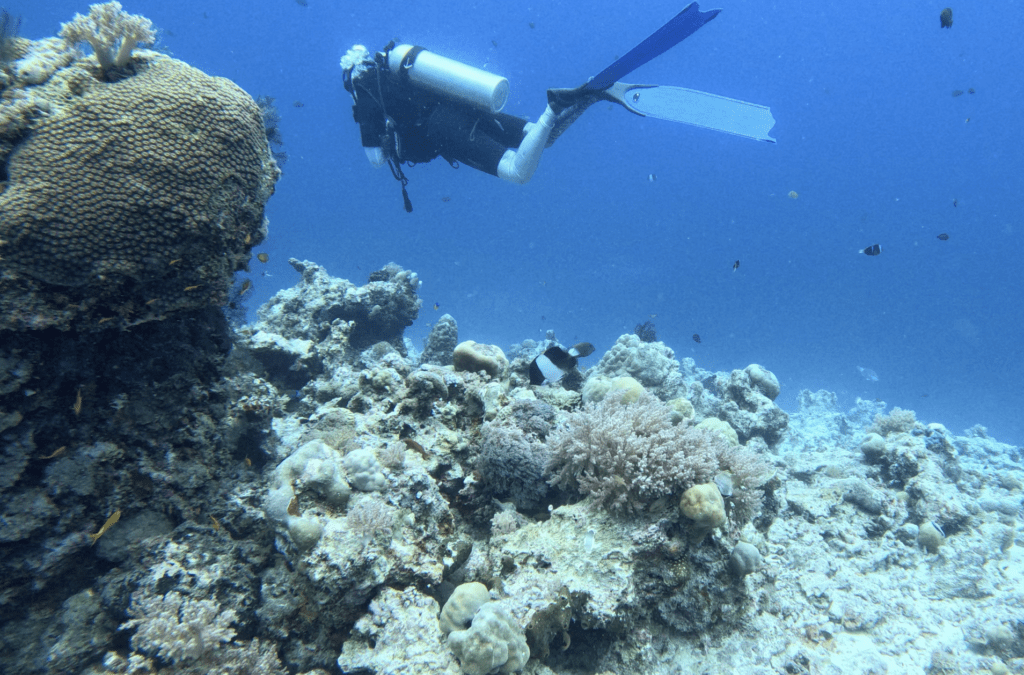
Most hard corals are broadcast spawners with larvae that develop in the plankton before settling on the seafloor — a process critical to reef sustainability and resilience. Establishing baseline data on when, where, and how much coral reproduce is fundamental to furthering our ability to conserve or enhance reefs. This study, carried out in collaboration with Blue Alliance (BA), is documenting coral spawning, settlement, and recruitment patterns for dominant reef-builders in the Pemba Channel Conservation Area (PECCA), using multiple approaches. Along the PECCA reef tract there is substantial variation in coral cover and diversity, and damage due to past destructive fishing, but it is unclear (yet!) which sites are settlement or recruitment limited and which sites might act as a source of larvae for the reefs. These are some of the things we aim to investigate through gamete traps, settlement tiles, and recruitment surveys. As co-managers of PECCA, Blue Alliance will be able to directly incorporate these data into their management and rehabilitation strategy.