
Snapping Shrimp: The Noisiest Animal in the Sea
Uncovering the secrets of this little-studied yet dominant sound producer
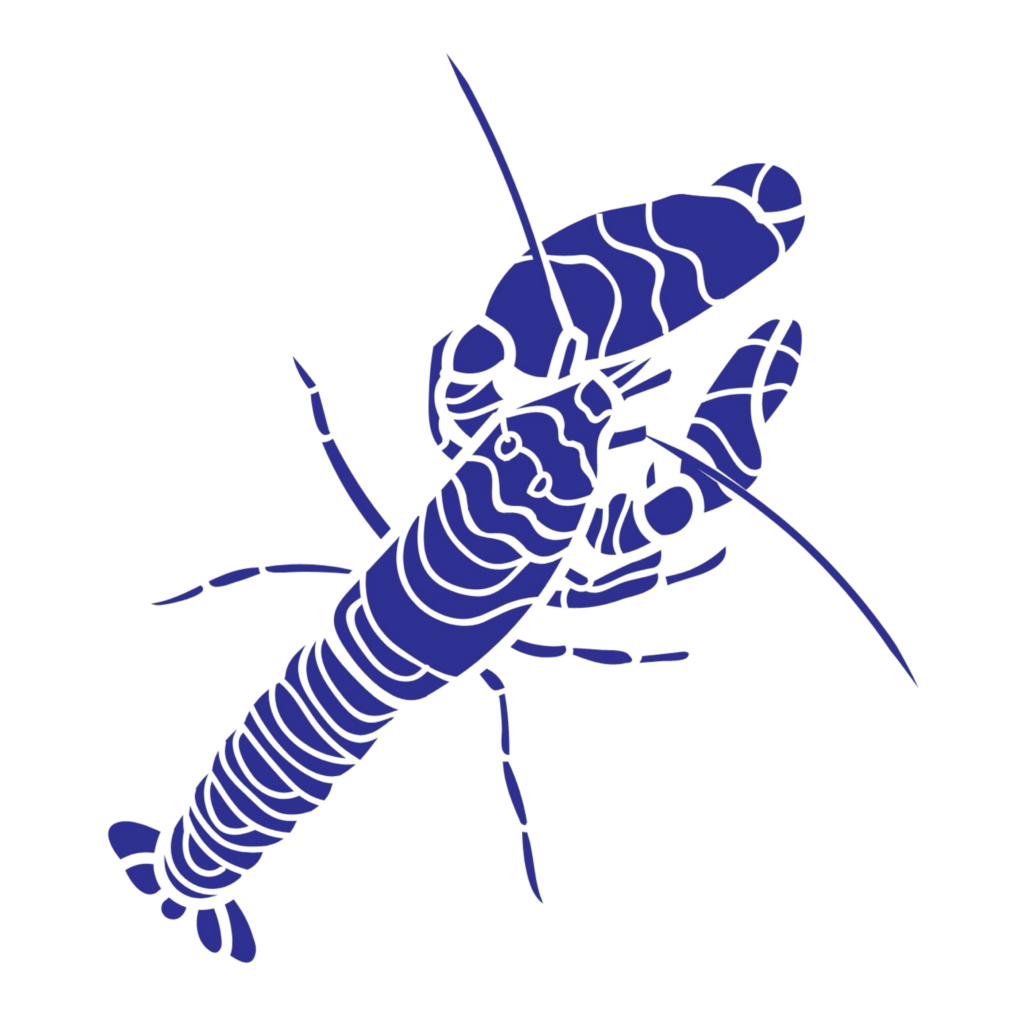
What do you hear when you put your head in the ocean? Chances are it is the sounds produced by a specialized type of shrimp! Most ocean-goers have heard this background noise and not even known it!
One of the most common and amazing sounds in most temperate to tropical seas is the crackling produced by colonies of tiny shrimp with a specialized claw. No, not the kind of shrimp people eat, but a type of crustacean called the snapping, or pistol, shrimp (Family: Alpheidae or Synalpheidae)! Their sizzling sound, sometimes described as “frying fat”, “burning twigs”, or “pop rocks” is so prolific and persistent that it can even interfere with human sonar and influence the navigation of whales, fish, and microscopic plankton!
At Sound Ocean Science, we are dedicated to big thinking about ocean ecosystems and to uncovering mysteries of the sea that don’t get a lot of attention. This includes novel research to increase our knowledge of unseen but supersonic creatures like the snapping shrimp, a topic we are pursuing globally. Our work measuring shrimp-dominated soundscapes is also improving habitat monitoring efforts and bettering our understanding of biodiversity.
Check our publications page for our latest snapping shrimp research.
Start your journey into the curious world of snapping shrimp by listening to a selection of snapping-dominated soundscapes in habitats we have recorded around the world.
Cuban reefscape with shrimp & fish
Coral reef soundscape in Thailand
Shallow peat reef sounds in Mozambique
Oyster reef soundscape in NC, USA
Sounds of South African kelp forest
Zanzibar coral reef soundscape
Snapping shrimp FAQ
How loud can a snapping shrimp snap?
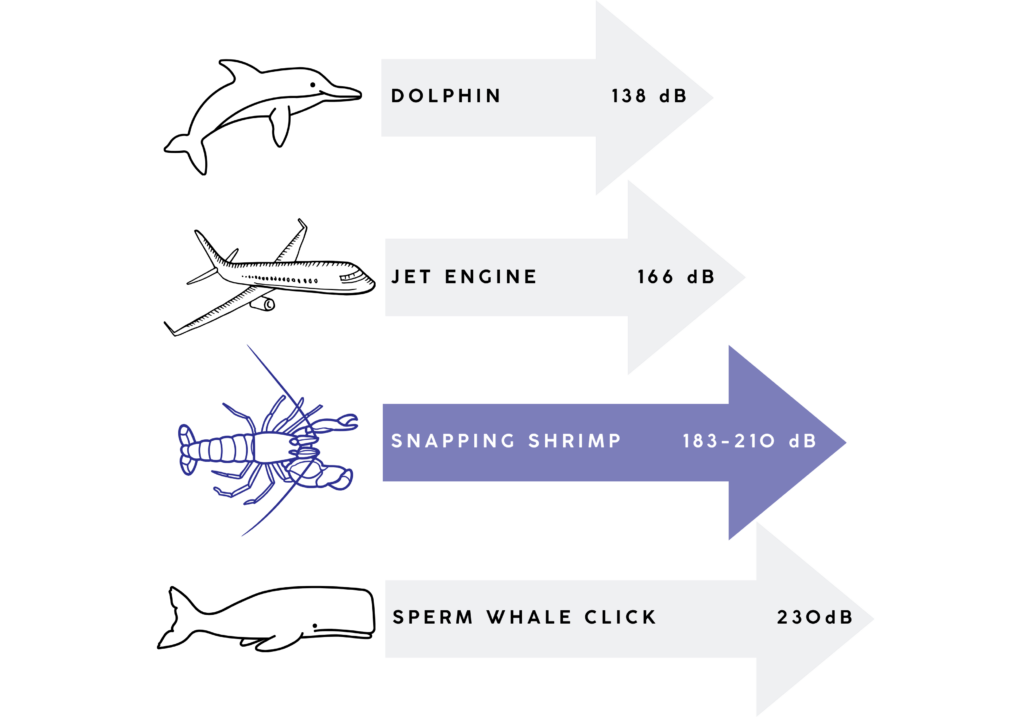
A single snap produced by a snapping shrimp lasts less than a millisecond but has been measured to reach up to 210 dB — this rivals the loudest biological sounds in the sea!
But how can a tiny shrimp make such an intense sound?
These miniscule critters range from just a few millimeters to a few centimeters in length, yet pack an incredible punch (and sound)! So how exactly is this physically possible?
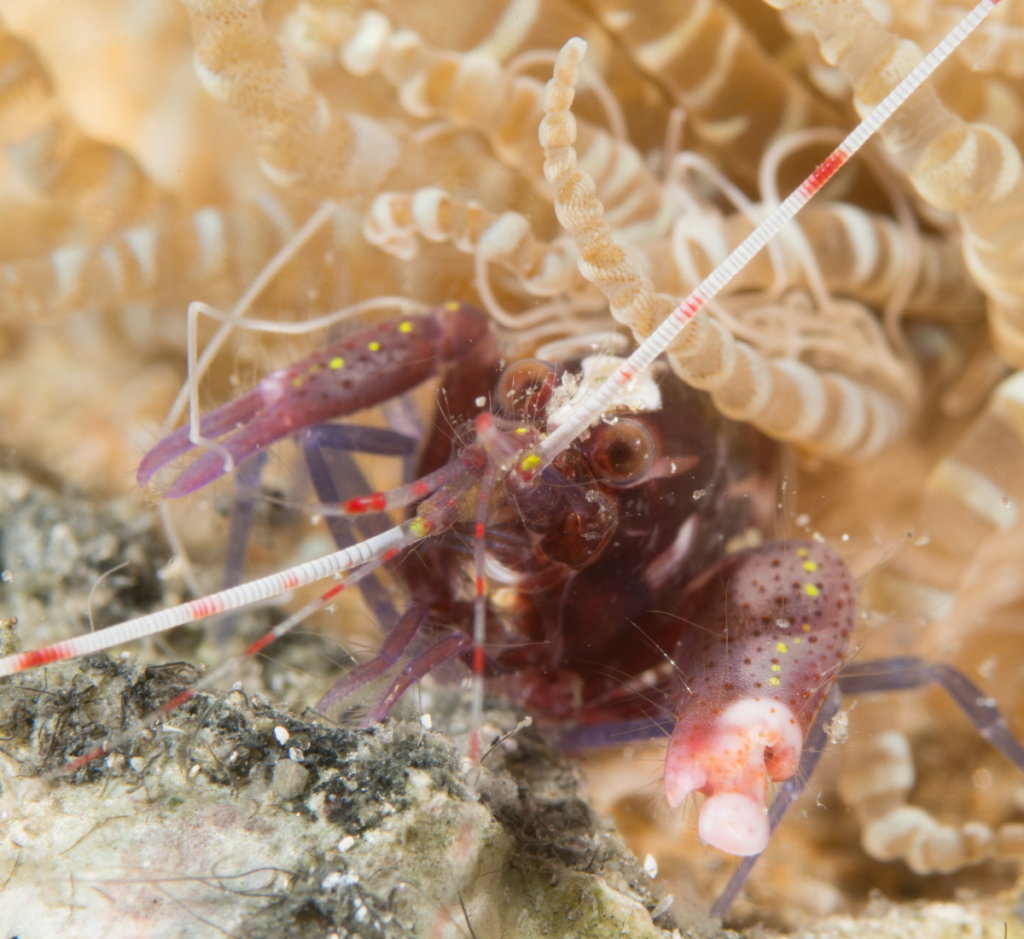
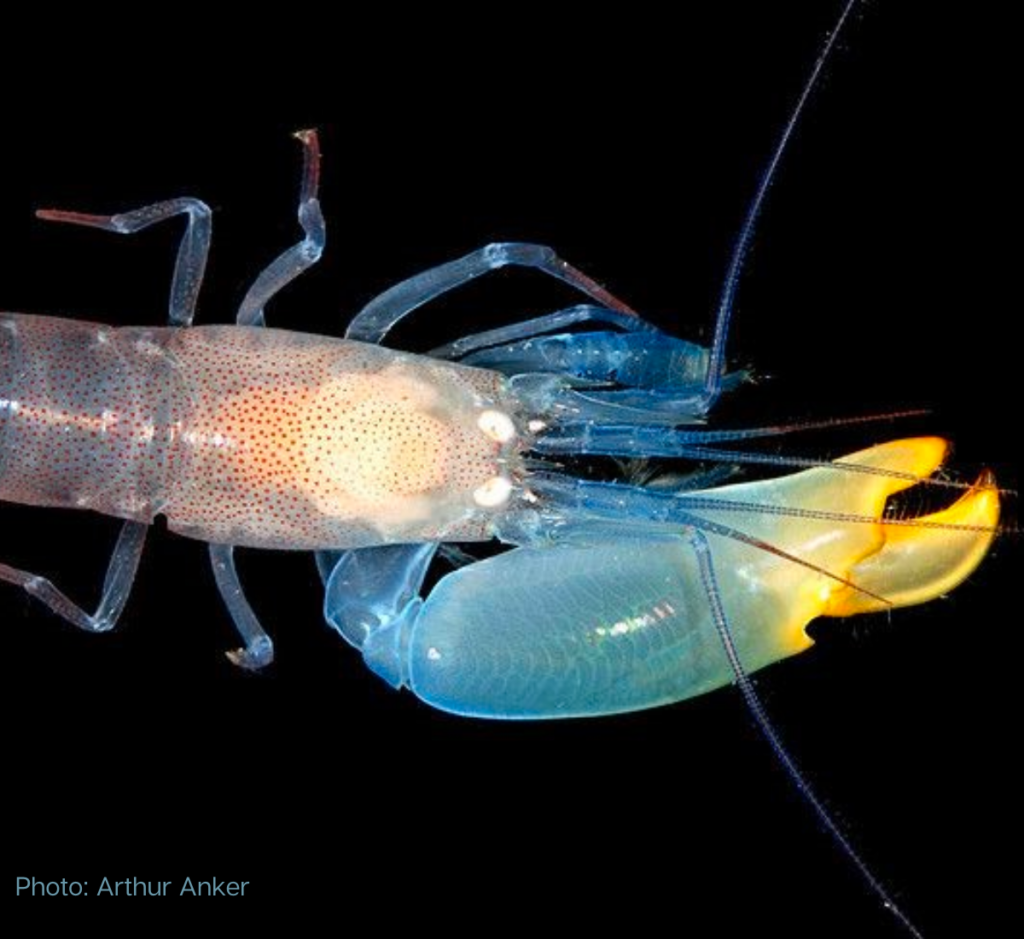
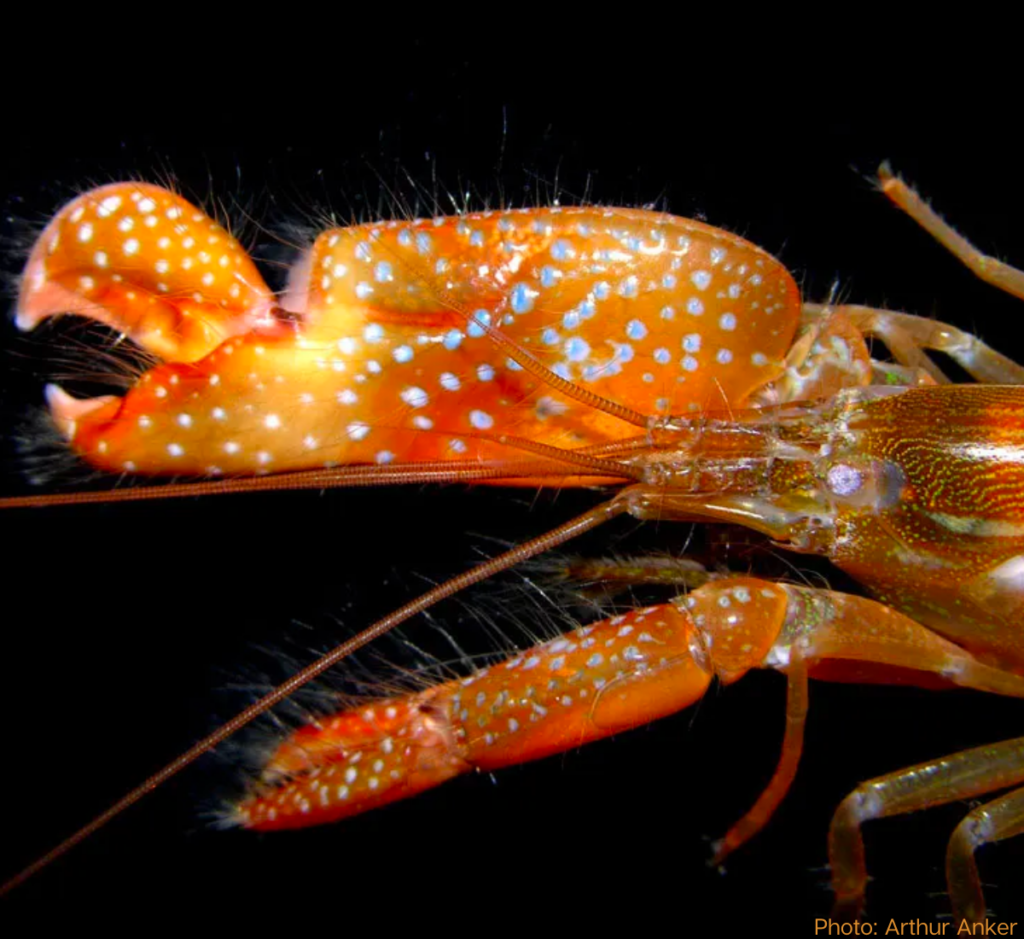
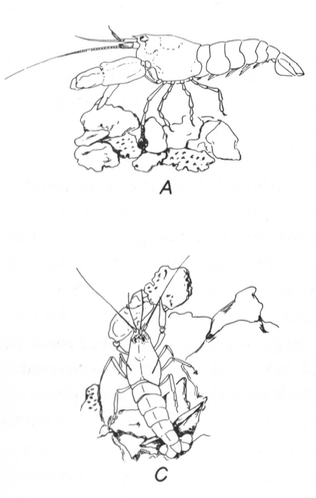
All snapping shrimp possess a specialized claw (also known as the major chela) which can grow up to half the size of their body. When rapidly closed, the chela produces a cavitation bubble that generates the loud sound (and shock wave) as it collapses. Their ultra-fast movement and spring-like mechanism is a unique biomechanical marvel!
A video describing the physics of the shrimp snap can be found here.
Where are these snaps heard?
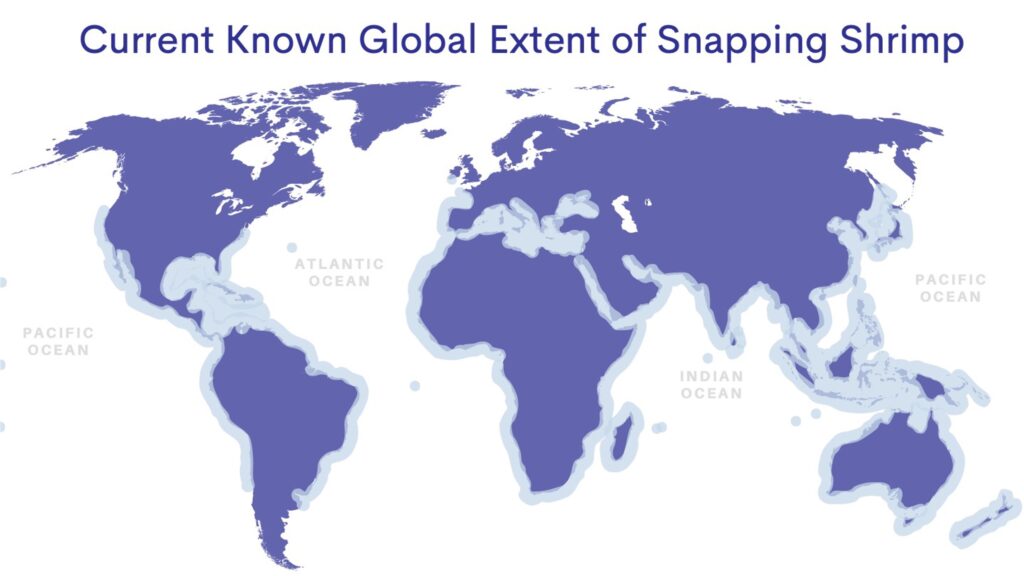
It’s a snapping shrimp’s world! This group of crustaceans is widely distributed around the globe. Snapping shrimp sound has been identified in the coastal waters (<100 m depth) of tropical, sub-tropical, and warmer temperate oceans. Historically, they were thought to be limited by temperature, however, snapping shrimp-dominated soundscapes have even been recorded in lochs of Scotland! This is the most Northern region snapping shrimp have ever been documented but their range continues to expand and surprise us. New species in the snapping shrimp group are being described each year and most species in most regions are little studied. We aim to change that but it isn’t easy considered they comprise hundreds of cryptic species.
Not so shrimple: Hyperdiversity in the Alpheidae.
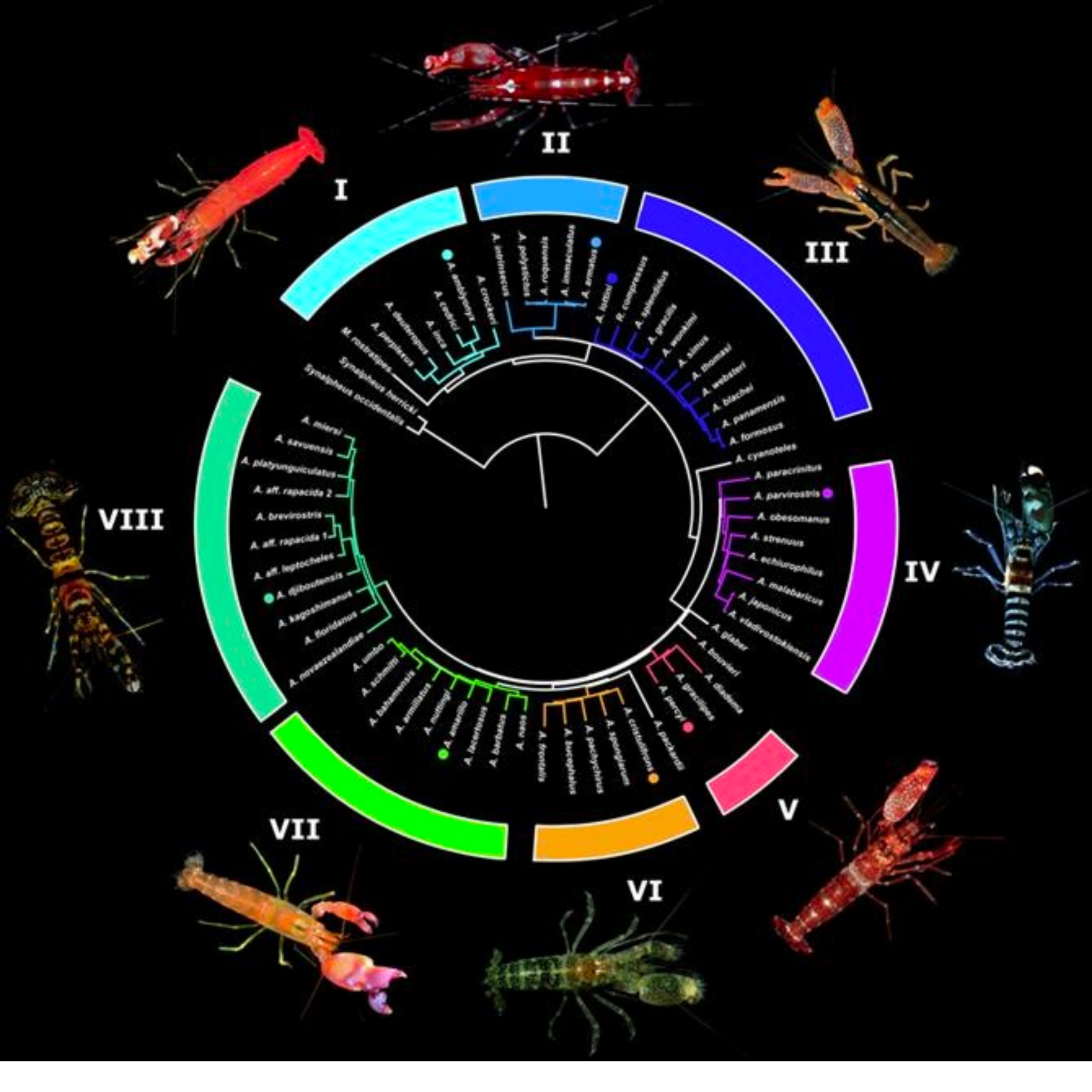
As a family, snapping shrimp really do have it all! Part of what is so fascinating about the Alpheidae is their unparalleled diversity — in habitat, colour, size, social structure, symbioses, reproductive biology, and more. Different species have evolved to live within all kinds of different benthic habitats and ecological communities. Some shrimp live solo, some in mated pairs, some are hermaphrodites, and some are in complex social colonies (population structures like bees or ants with a single queen and a large number of “workers”). Many new species within the snapping shrimp family continue to be discovered each year. This impressive ecological diversity and species richness likely contributes to the wide (and so far uninterpretable) variety of acoustic behaviours and patterns observed in field soundscape data.
Hurt, C. et al. (2021). First worldwide molecular phylogeny of the morphologically and ecologically hyperdiversified snapping shrimp genus Alpheus (Malacostraca: Decapoda). Molecular Phylogenetics and Evolution, 158, 107080.
An ocean mystery: discovery of the snapping source.
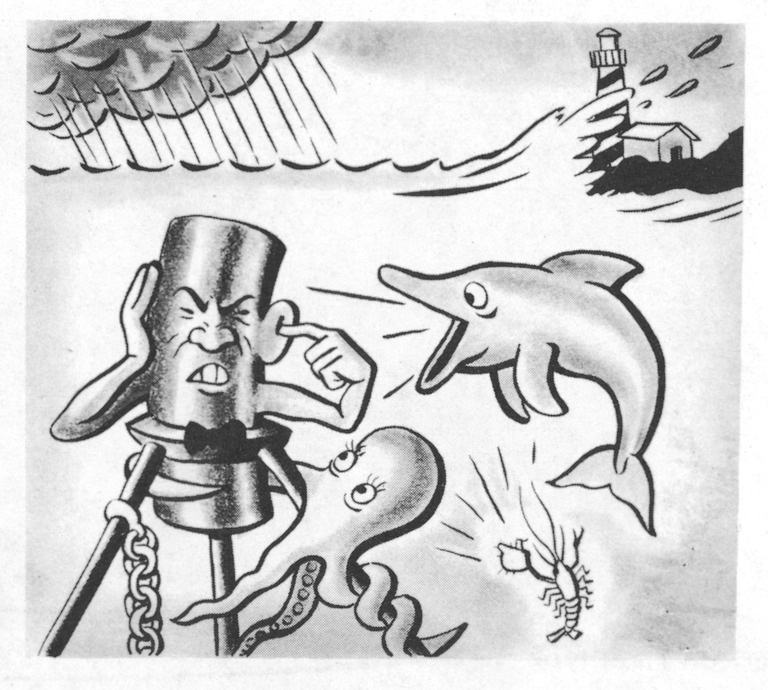
To the human ear, the snapping we now know is produced by shrimp was long described as a distinct crackling sound said to sound like static, burning twigs, frying fat, popcorn, or even the candy pop rocks. Throughout history, for as long as humans have been to sea, this common ocean noise was wrongly attributed to be a variety of phenomena including shipworms, volcanic activity, and rolling pebbles. However, it wasn’t until underwater audio recordings were used during WWII that this “troublesome” noise was deemed suspicious enough to be thoroughly investigated. It was soon discovered that the ubiquitious sound was in fact produced by dense populations of snapping shrimp! The University of California Division of War Research published a report in 1944 detailing the noise of snapping shrimp and its influence on naval operations.
Okay, then what’s all that snapping about?
While relatively few formal investigations of the snapping behaviours have been carried out for the majority of snapping shrimp species, snapping is known to serve multiple functions in shrimp life. Living in such dense aggregations, it is not surprising that the snapping is implicated in intra- and inter- specific communication. Some species are known to be quite aggressive and snapping occurs during interactions with neighbours, and in fights to defend against competitors or predators. Observations of some species suggest that shrimp may use their snapping mechanism to stun or catch prey. For those snapping shrimp that live in social communities, say within a sea sponge or kelp holdfast, it appears that the snapping sound can also function as an alarm or warning signal.
Where and how do snapping shrimp live? Do they have any friends? What is their life like?
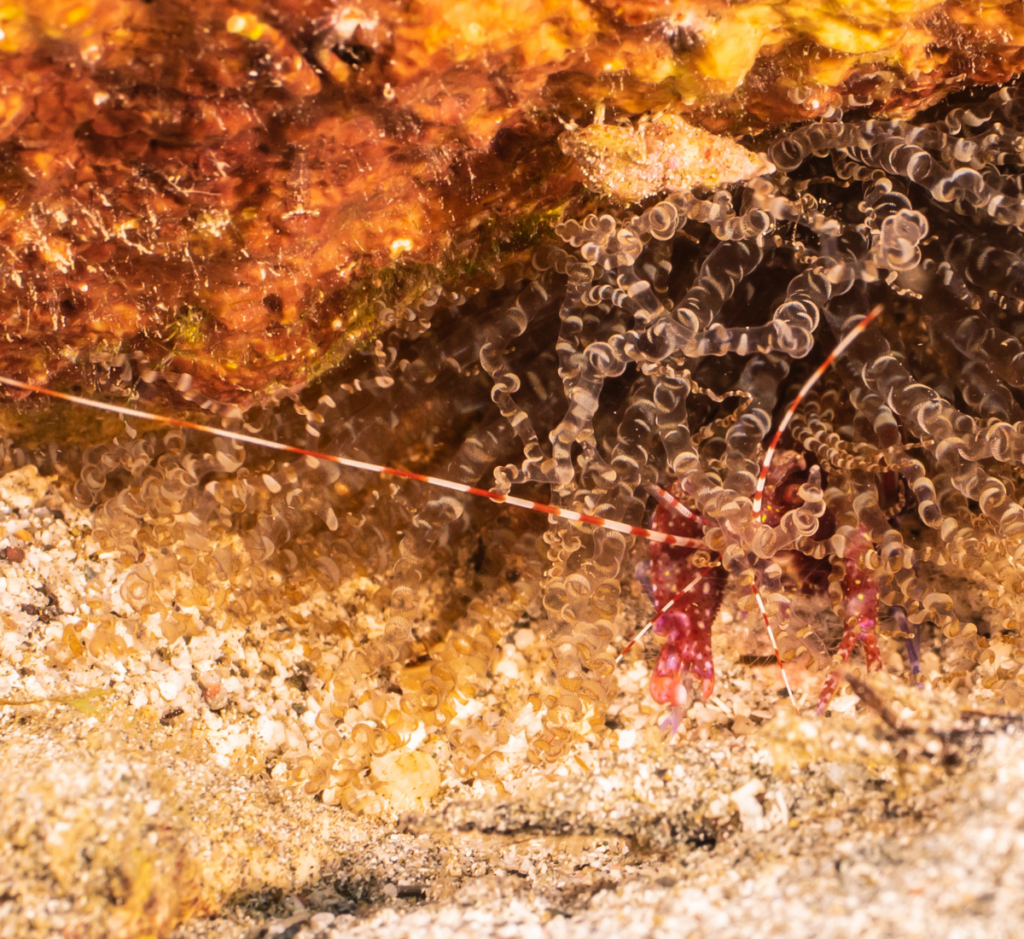
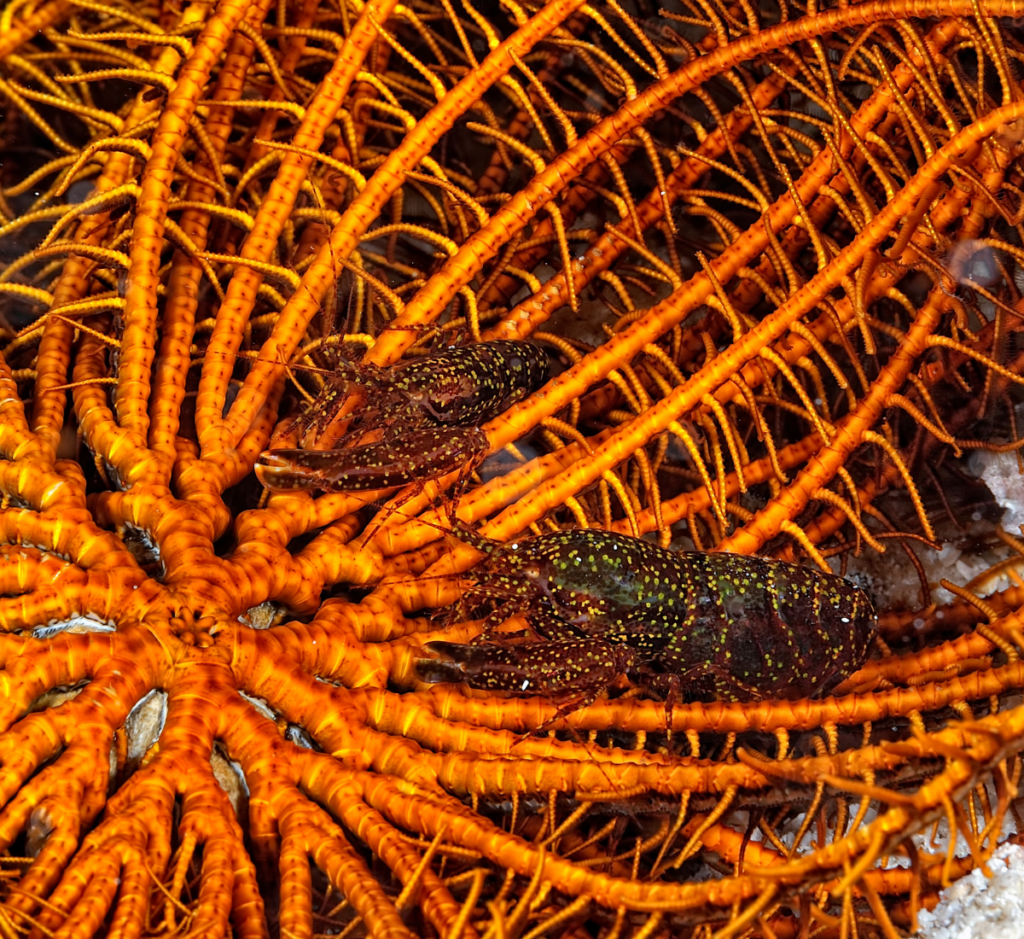
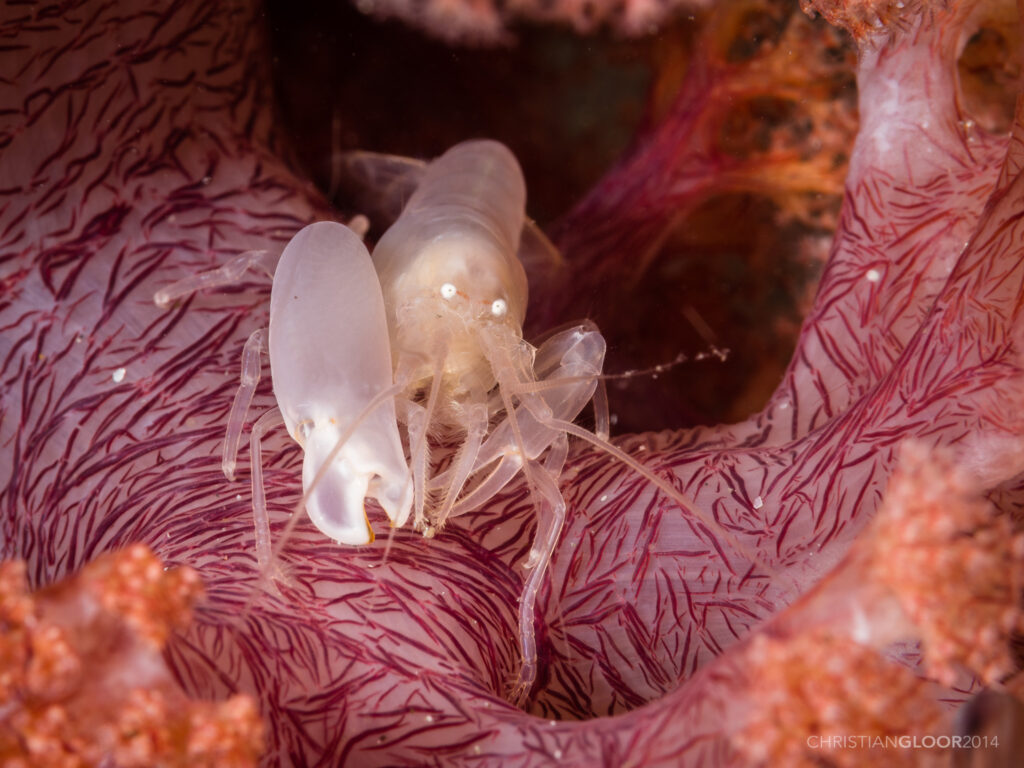
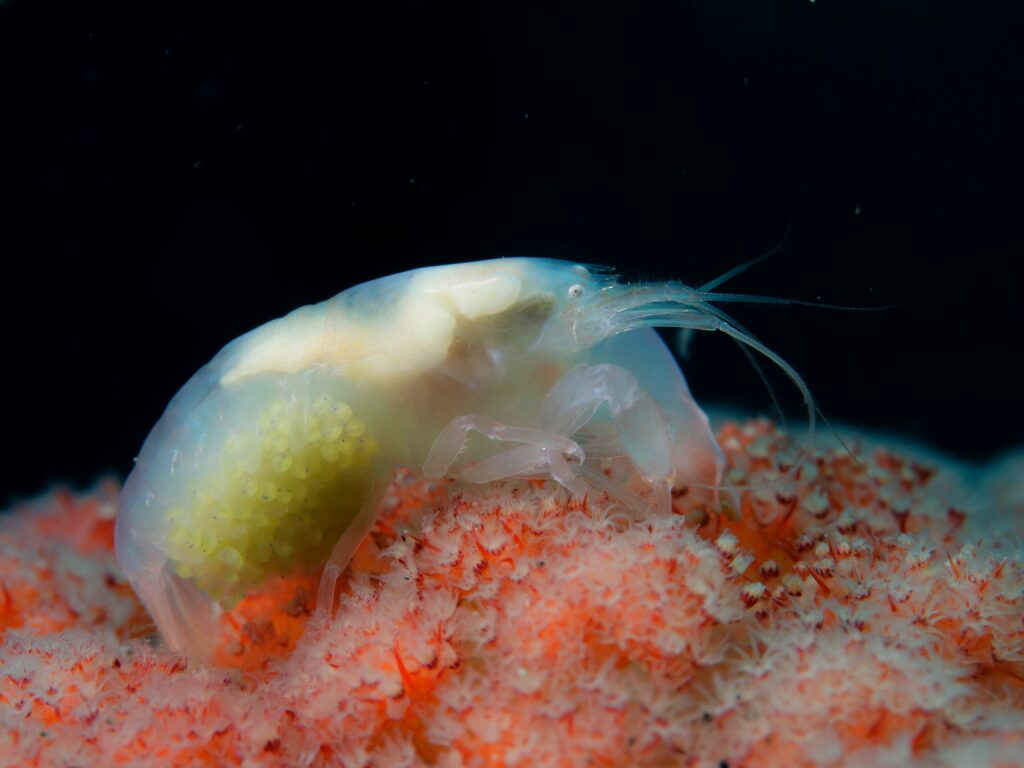
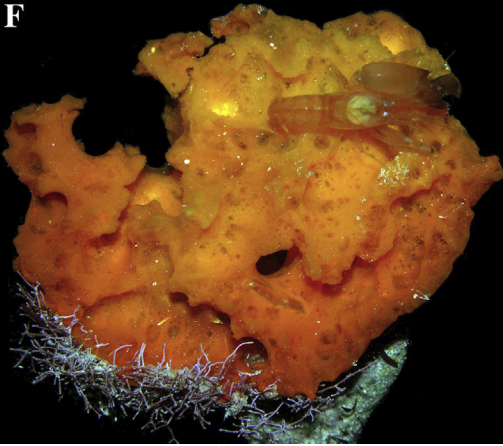
Snapping shrimp like to live in burrows of their own making or inside of other animals for protection and may be found in mated pairs or social groups. Although many species of these crustaceans are found living together in large aggregations, free-living they have also been shown to exhibit strong symbioses with a variety of other marine organisms. In the Caribbean sea, the snapping shrimp Alpheus armatus lives mutualistically with the sea anemone Bartholomea annulata. This mutualism is based on protection and shelter for the shrimp whilst defending the anemone against predatory fireworms. Many species of snapping shrimp have also been found to dwell in the intricate canal systems of marine sponges and hard coral. These provide extremely effective protection for the shrimp from predatory fish. In return, the shrimp have been observed to defend their hosts from predatory sea stars.
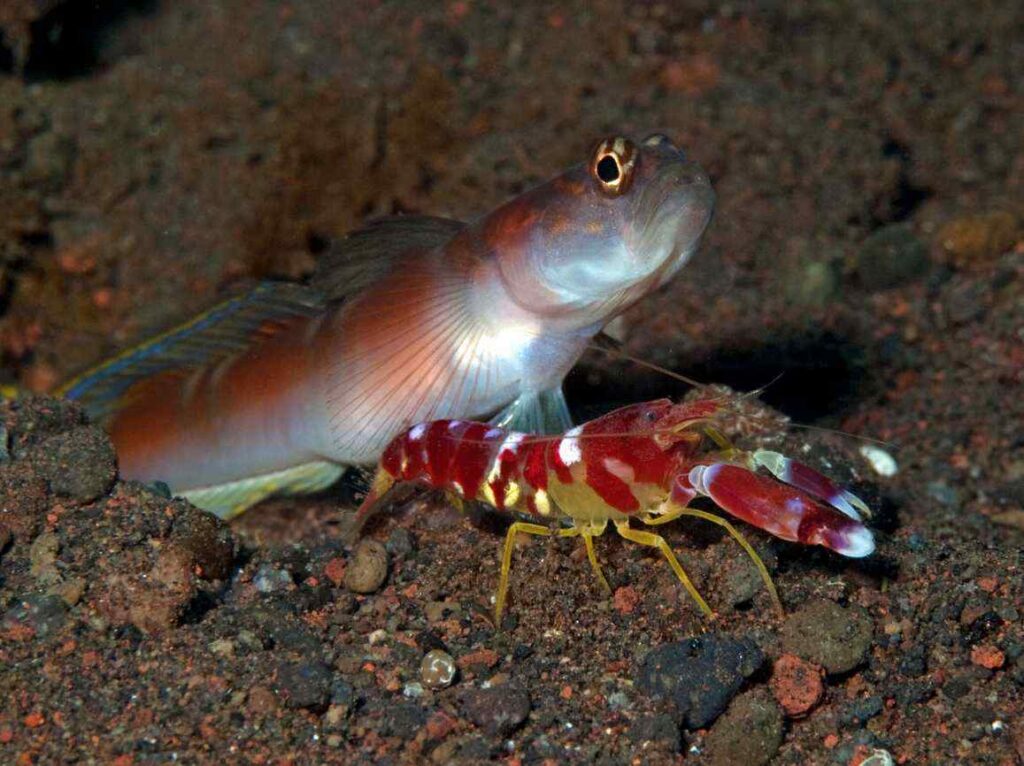
Another commonly seen and relatively well-studied mutualism is the partnership formed between the snapping shrimp and certain species of goby fish. This cross-species communication is first formed when shrimp construct burrows in sand or rubble, which are colonized by gobies. In exchange, the goby acts as a guard, observing and warning the shrimp of approaching fish or other predators using a series of delicately timed tail flicks or other specialized behaviours. While outside the burrow, the shrimp will maintain constant antennal contact with the goby which allows for fast, effective signalling. Watch the video to the left to see this symbiosis in action.
What can listening to shrimps tell us?
Listening to shrimp and gaining insight into the lives of these secretive creatures is captivating, but can we learn more about their environment and the ecosystem by analyzing their sounds? Because they are so prolific and easy-to-detect, it has been proposed that snapping shrimp could be used as an indicator of reef health. There is evidence that snapping shrimp sound patterns are influenced by environmental variables such as temperature, light, and pH. It has also been shown that if a coral reef is severely degraded, unsurprisingly, the din of the snapping shrimp is substantially decreased compared to a healthy reef. However, since snapping shrimp population dynamics and soundscapes are incredibly complex, highly variable, and relatively understudied, at SOS we caution against the broad application of shrimp sounds as an indicator of overall habitat health. Instead, we strive to further investigate these acoustic patterns as well as the underlying snapping shrimp ecology so that we learn what their patterns might be able to tell us about a given location.
Key References
Au, W. W. L., & Banks, K. 1998. The acoustics of the snapping shrimp Synalpheus parneomeris in Kaneohe Bay. The Journal of the Acoustical Society of America, 103(1), 41–47. https://doi.org/10.1121/1.423234
Bohnenstiehl, D. R., Lillis, A., & Eggleston, D. B. 2016. The Curious Acoustic Behavior of Estuarine Snapping Shrimp: Temporal Patterns of Snapping Shrimp Sound in Sub-Tidal Oyster Reef Habitat. PLoS ONE, 11(1), e0143691. https://doi.org/10.1371/journal.pone.0143691
Duffy, JE, Morrison, CL, Macdonald, KS. 2002. Colony defense and behavioral differentiation in the eusocial shrimp Synalpheus regalis, Behavioral Ecology and Sociobiology 51: 488-495. doi:10.1007/s00265-002-0455-5
Everest, FA, Young, RW, Johnson, MW. 1948. Acoustical characteristics of noise produced by snapping shrimp, Journal of the Acoustical Society of America 20: 137–142.
Hughes, M. 1996. The function of concurrent signals: Visual and chemical communication in snapping shrimp, Animal Behaviors 52: 247-257.
Hurt, C., Hultgren, K., Anker, A., Lemmon, A. R., Lemmon, E. M., & Bracken-Grissom, H. (2021). First worldwide molecular phylogeny of the morphologically and ecologically hyperdiversified snapping shrimp genus Alpheus (Malacostraca: Decapoda). Molecular Phylogenetics and Evolution, 158, 107080.
Hultgren, K., J. E. Duffy, and D. R. Rubenstein. 2017. Sociality in Shrimps. Pages 224–249 in D. R. Rubenstein and P. Abbot, editors. Comparative Social Evolution. Cambridge University Press.
Johnson, MW, Everest, FA, Young, RW. 1947. The role of snapping shrimp (Crangon and Synalpheus) in the production of underwater noise in the sea. Biological Bulletin 93: 122-138.
Knowlton, N, Keller BD. 1982. Symmetric Fights as a Measure of Escalation Potential in a Symbiotic, Territorial Snapping Shrimp. Behavioral Ecology and Sociobiology. 10:289-292. 10.1007/bf00302819
Knowlton, RE, Moulton, JM.1963. Sound production in the snapping shrimps Alpheus (Crangon) and Synalpheus, Biological Bulletin 125: 311–331.
Knowlton, N. 1980. Sexual Selection and Dimorphism in Two Demes of a Symbiotic, Pair-Bonding Snapping Shrimp. Evolution, 34(1), 161–173. https://doi.org/10.1111/j.1558-5646.1980.tb04802.x
Lillis A, Caruso F, Mooney TA, Eggleston DB. 2018. Drifting hydrophones provide an ecologically meaningful approach to underwater soundscape measurements in coastal benthic habitats. J Ecoacous 2:STBDH1. doi:doi.org/10.22261/JEA.STBDH1
Lillis, A. & T.A. Mooney. 2022. Sounds of a changing sea: temperature drives acoustic output by dominant biological sound-producers in shallow water habitats. Frontiers in Marine Science. 9:960881.doi: 10.3389/fmars.2022.960881
Lillis, A., & T.A. Mooney. 2018. Snapping shrimp sound production patterns on Caribbean coral reefs: relationships with celestial cycles and environmental variables. Coral Reefs 37(2): 597-607
Lillis, A. & Mooney, T.A. 2016. Loudly heard, little seen, and rarely understood: Spatiotemporal variation and environmental drivers of sound production by snapping shrimp. Proceedings of Meetings on Acoustics 27: 010017, http://dx.doi.org/10.1121/2.0000270
Lillis, A., Perelman, J., Panyi, A. & Mooney, T.A. 2017. Sound production patterns of big-clawed snapping shrimp (Alpheus spp.) are influenced by time-of-day and social context. Journal of the Acoustical Society of America 142(5): 3311-3320.
Rossi, T., Connell, S. D., & Nagelkerken, I. 2016. Silent oceans: Ocean acidification impoverishes natural soundscapes by altering sound production of the world’s noisiest marine invertebrate. Proceedings of the Royal Society B: Biological Sciences, 283(1826), 20153046. https://doi.org/10.1098/rspb.2015.3046
Schmitz, B. 2002. Sound production in crustacea with special reference to the Alpheidae, In: The Crustacean Nervous System, Ed. by K. Wiese, Springer-Verlag, New York, pp. 536–547.